
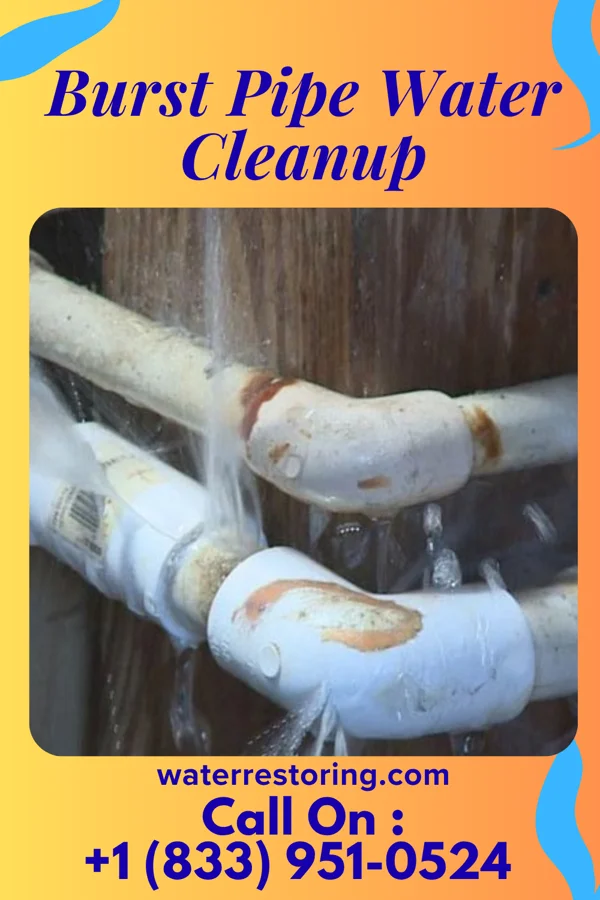
Chignik Pipe Burst Risk Drivers
Water damage in Chignik tends to cluster in predictable windows because of the local climate. Chignik, Alaska experiences frequent temperature fluctuations, especially during the transition between winter and spring, which can cause pipes to expand and contract, increasing the risk of bursting. The rural nature of the area also means that many homes are older and may not have modern insulation or pressure-regulating systems, making them more susceptible to pipe failures. A close second is The proximity to Chignik Lake and the high groundwater levels in the region contribute to increased hydrostatic pressure on underground pipes. Additionally, the lack of regular maintenance in some rural homes can lead to unnoticed pipe deterioration, raising the likelihood of sudden bursts..
Chignik's rural climate, characterized by extreme temperature variations and high humidity, presents unique challenges for pipe integrity. The combination of cold winters and thawing springs can lead to unexpected pipe failures, especially in older or poorly insulated homes.
Chignik's rural climate, characterized by extreme temperature variations and high humidity, presents unique challenges for pipe integrity. The combination of cold winters and thawing springs can lead to unexpected pipe failures, especially in older or poorly insulated homes. The dominant local driver is Chignik, Alaska experiences frequent temperature fluctuations, especially during the transition between winter and spring, which can cause pipes to expand and contract, increasing the risk of bursting. The rural nature of the area also means that many homes are older and may not have modern insulation or pressure-regulating systems, making them more susceptible to pipe failures., with The proximity to Chignik Lake and the high groundwater levels in the region contribute to increased hydrostatic pressure on underground pipes. Additionally, the lack of regular maintenance in some rural homes can lead to unnoticed pipe deterioration, raising the likelihood of sudden bursts. showing up as the next most common cause. Damage builds in stages. Spread. Absorption. Microbial growth. Structural compromise. Every stage you pass through adds to the final bill.
For public guidance on the health effects of mold after prolonged water exposure, see the EPA mold and health page.